

Chlorination Scheme
by PiP IoT
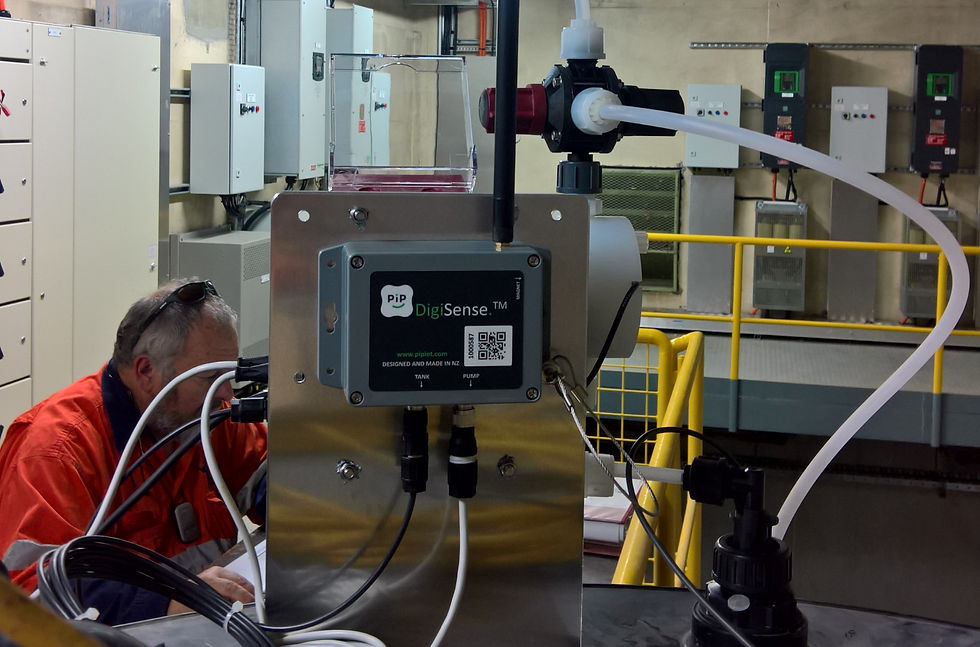
In response to the urgent post-earthquake need for effective chlorination of the city’s water supply, PiP IoT was selected to deliver the remote monitoring solution. Leveraging its DigiSense device, PiP engaged InFact to develop a comprehensive cloud-based management and reporting system. Regulatory compliance sits at the core of any public safety chlorination scheme, requiring reliable connectivity and continuous 24/7 monitoring of remote water assets across the city. With support for up to 12 external sensors and three control output lines, the PiP DigiSense connects via the PiP Server API and backend, offering a low-cost telemetry solution through the newly deployed LPWAN network, Sigfox.
Rapid deployment under urgency while creating a long-term scalable asset with feature enhancement
The Project
The project team works side-by-side with the client to ensure product functionality, marketability and usability are resolved through proof of concept prototypes. These are tested and refined to ensure all aspects of the solution are understood, key risks are identified and project goals are achieved.
THINK
InFact needed to dramatically simplify the current approach to data capture and backhaul in order to deploy and connect with existing Council systems, including SCADA and SmartView.
Leveraging Losant’s data presentation layers and analytics tools ensured efficient collation and analysis of data, enabling prioritisation for site-specific safety improvements and network-wide enhancements.

LISTEN
With a six-week lead time specified by Council to implement chlorination, InFact and PiP agreed to undertake this significant development and proceed with deployment and testing to meet the minimum level of regulatory requirements.
InFact researched effective tools to allow for a rapid build and deployment of for the monitoring system. The system architecture needed to be flexible but scalable over time with the likely integration of features and data sources.
Council needed to provide the regulator with confidence this new digital technology would be capable of meeting it compliance requirements.

OUTCOME
The adoption of PiP IoT devices warranted Christchurch to implement a robust system architecture designed for redundancy - mitigating risks of chlorine supply loss and helping ensure uninterrupted water safety for residents.
Integration with SCADA systems increased operational efficiency by giving field operators mobile tools for well-organised job dispatching and replenishment tasks.
Predictive algorithms were deployed to improve workforce decisions, allowing for proactive maintenance and operational adjustments that elevated system reliability. These tools also gave stakeholders essential insights, supporting transparency and informed decision-making.
PiP’s commitment to developing SOPs and delivering training reinforced the reliability and effectiveness of the chlorination system.


Quite simply, Christchurch’s rapid rollout of temporary chlorination wouldn’t have been possible without InFact’s unique combination of innovative products, deep expertise, and can-do attitude. Over the following seven years, as the system doubled in size and regulatory requirements evolved, working with InFact became more than a service - it was a true partnership and a genuine pleasure.
Their DigiSense devices and back-office applications support every aspect of the system, from stock control and alarms to paging, data collection, and final reporting - and will continue to do so for years to come.
Ian Baker // Process Engineer // Christchurch City Council